


24-Hour Emergency Garage Door Repair Services Available Now
March 20, 2026
Coppell Garage Door Pros
Garage Door Service Experts
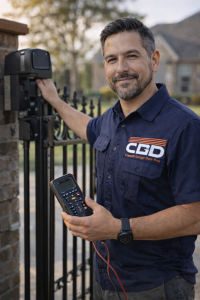
At Coppell Garage Door Pros, we’ve been helping homeowners restore safety and access through dependable Garage Door Services for years. We understand how disruptive a malfunctioning door can be, especially outside normal hours. Our team often gets calls from people stuck outside their own homes late at night after a spring snaps or a cable derails. Emergency service isn’t a luxury – it’s a line of defense against property loss and serious injury. A neglected garage door issue can escalate quickly. We once responded to a case where a homeowner kept forcing the opener on a jammed track; by morning, the motor had burned out and the panel warped. Waiting until regular business hours can easily turn a simple repair into a major expense. Learn about our emergency garage door services and how to choose the right team for your situation.
Understanding service types, quality, and warning signs
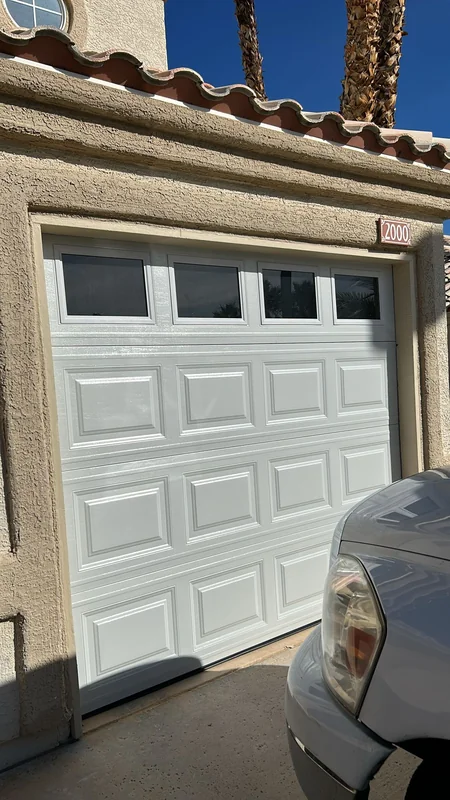
Truly professional emergency Garage Door Services distinguish themselves by safety protocols, transparent estimates, and adherence to recognized industry standards. The best teams operate with readiness equipment, including high-torque winding bars, insulated socket sets, and portable diagnostic tools to test force settings and safety eyes. When reviewing options, homeowners can use this quick checklist:
- Confirm the company is licensed and insured according to state and Occupational Safety and Health Administration (OSHA) requirements.
- Ask whether technicians follow DASMA and UL 325 guidelines for automatic door operators.
- Ensure vehicles are stocked with standardized door hardware and multiple spring sizes for same-day work.
- Check if the provider offers verified 24/7 dispatch and not just voicemail after hours.
Know what to expect, from timelines to costs
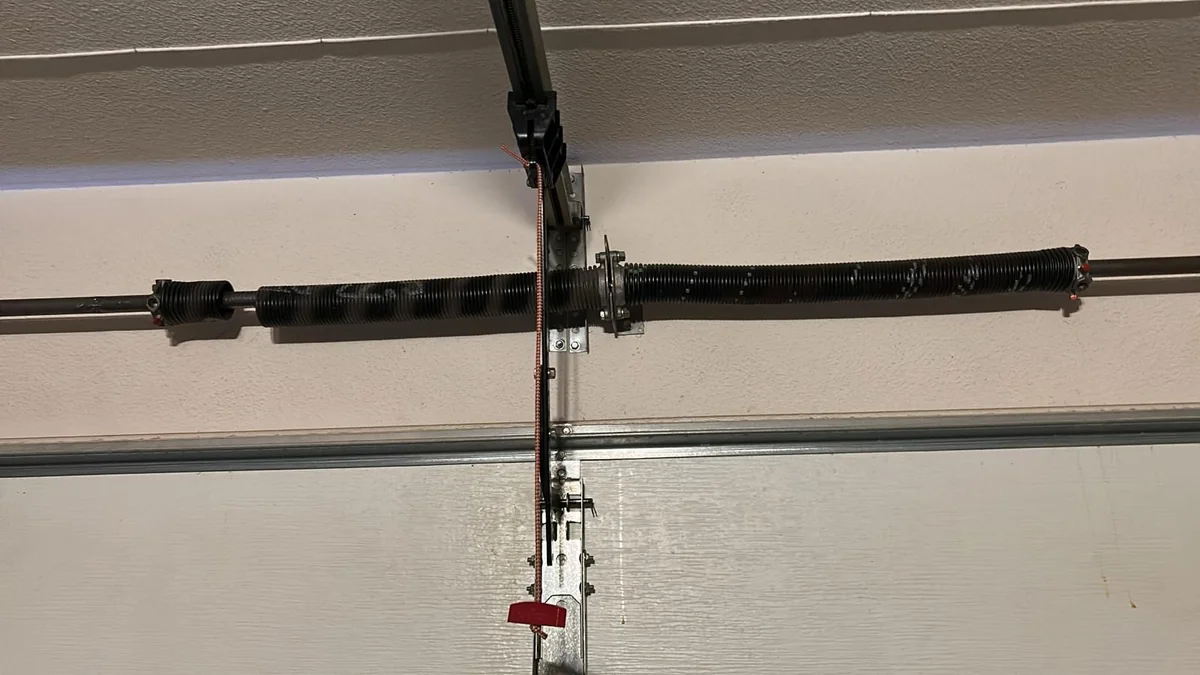
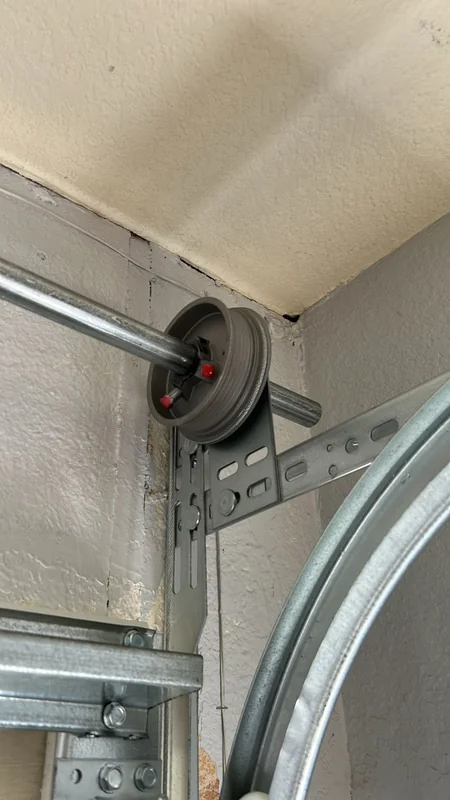
Before authorizing emergency work, homeowners should gather facts about technician readiness, pricing transparency, and component warranties. Continuous availability means little if a team arrives without correct replacement parts. In our experience, urgent situations usually involve spring failure, cable fraying, or opener circuit overload – issues requiring OEM-grade materials and properly rated hardware. A customer once believed all garage springs were interchangeable and ordered generic coils online. When the spring popped under wrong tension, it damaged the door shaft and bent the bracket mount. Professional teams identify correct inner diameters, wire gauges, and wind direction before starting any replacement. Cost for emergency repairs may range from minor sensor adjustments starting around $125 to full torsion assembly replacements up to $750 or more. Variables include:
- Site complexity (height clearance, access, electrical routing)
- Material costs (torsion springs, rollers, bearing plates)
- Total scope (single repair vs. full system calibration)
Get Expert Help Before the Problem Escalates
When your garage door fails or snaps a spring, every minute matters. Delaying repairs can cause added strain on the opener, misalignment of tracks, and costly damage to panels and flooring. Coppell Garage Door Pros is ready to respond fast with trained technicians who restore full safety and functionality to your system. We perform detailed inspections of balance, sensors, and limit settings to ensure lasting performance, not just a temporary fix. Our vehicles arrive stocked for immediate adjustments, part replacements, and opener diagnostics. Protect your home, savings, and security by contacting our team right now. Schedule your repair or preventive service today and keep your garage door working smoothly all year long.
Frequently Asked Questions
What qualifies as an emergency garage door repair?
Emergency garage door repair refers to any urgent situation that requires immediate attention to ensure safety, property protection, or continued access to a home or business. Common emergencies include doors that become stuck halfway open, broken torsion or extension springs, snapped lift cables, or malfunctioning sensors that prevent the door from closing properly. When a garage door becomes jammed, it can trap vehicles, leave belongings exposed to theft or severe weather, or disrupt a home’s overall security systems. Professional technicians trained in emergency repair respond quickly to these situations by first assessing the problem, safely relieving spring tension, replacing damaged cables, and confirming proper sensor alignment. Many reputable repair services offer 24-hour availability and rapid response times to reduce risk. Homeowners should avoid forcing or operating a faulty door until a qualified expert has inspected and repaired it completely.
How quickly can a technician arrive for emergency service?
Response times for emergency garage door services can fluctuate depending on several factors such as call volume, technician availability, traffic conditions, and the size of the coverage area. In most cases, reputable providers strive to dispatch a qualified technician within one to two hours of receiving a service request. Many companies use advanced digital tracking systems to monitor fleet locations in real time, enabling quick routing and reducing unnecessary travel delays. Once the technician arrives, the repair timeline depends on the type of issue encountered. Minor problems, including cable adjustments or sensor misalignment, might be resolved within an hour. More complex work, such as spring replacement, track realignment, or opener recalibration, can take longer due to the need for careful tension testing and safety checks. Homeowners are encouraged to confirm that their chosen service offers verified 24-hour assistance, genuine parts, and prompt on-site repairs to restore garage operations safely and efficiently.
How much does emergency garage door repair typically cost?
Emergency garage door repair costs can vary significantly depending on the issue and level of urgency. In most cases, homeowners may expect to pay anywhere from around $125 for small adjustments to well over $750 for complex component replacements that require substantial labor and specialized parts. Several key factors influence pricing, including site complexity such as limited clearance, unusual track layouts, or the presence of custom hardware. Material quality is another major consideration, since the type of spring, cable, roller set, or motor system used can dramatically affect durability and cost. The overall repair scope also matters, as minor realignments and balance corrections differ greatly from full assembly replacements. Additional costs may apply for emergency responses during evenings, weekends, or holidays. After the repairs, technicians often perform follow-up assessments to ensure proper function, calibration, and safety compliance. These reference figures are intended solely for general guidance, not as formal or guaranteed quotations. Every garage door system is unique, and an accurate price can only be provided after a certified technician performs an in-person evaluation and identifies the specific parts and labor necessary to restore full operation.
Can I perform emergency repairs on my own garage door?
While basic troubleshooting such as inspecting sensor alignment, removing small obstructions, or lubricating moving parts can generally be done safely by a homeowner, mechanical or tension-related repairs demand specialized skill and equipment. Torsion and extension springs contain tremendous stored energy, which can release suddenly and cause severe injury if handled incorrectly. Professional garage door technicians use calibrated winding bars, locking pliers, and safety rods to manage this energy while maintaining control during service. They also measure torque balance precisely and verify cable alignment to prevent uneven lifting or track distortion. Many do-it-yourself repairs result in bent shafts, damaged drums, or warped doors because the internal forces are often stronger than expected. Relying on certified professionals ensures UL 325 compliance, consistent performance, longer component lifespan, and dependable operation that minimizes risk for both people and property.
What are early warning signs that my garage door may fail?
Several symptoms can signal that a garage door system is approaching failure, and recognizing these early signs can prevent costly repairs or safety hazards. Unusual noises such as snapping, grinding, or banging often indicate worn rollers, a fraying lifting cable, or metal fatigue in the springs. A door that moves more slowly than usual or pauses unevenly along its path can suggest that the torsion springs are weakening or that the tracks are binding from misalignment or accumulated dirt. If the door reverses before closing or fails to stay in the open position, the sensors may be misaligned, or the opener motor may be experiencing excess strain. Performing regular maintenance, including cleaning debris from tracks and applying a silicone-based lubricant to hinges and rollers every few months, keeps the mechanism running smoothly. Additionally, scheduling professional inspections each year ensures accurate adjustments to spring tension, cable alignment, and opener force limits. A qualified technician can confirm that the system continues to meet UL 325 and DASMA safety and performance standards, minimizing the risk of sudden component failure and extending the life of critical parts. Thoughtful care and consistent attention help maintain reliable operation, energy efficiency, and overall safety for your garage door system.
What are the most common problems requiring emergency garage door repairs?
The most frequent emergency issues with garage doors typically involve broken torsion or extension springs, snapped lift cables, misaligned or damaged tracks, or failed opener electronics that render the door inoperable. Electrical power surges can burn out circuit or control boards, while physical impacts – such as a vehicle colliding with the lower door section – can knock the tracks and hardware out of alignment. Each of these conditions presents a potential safety risk by placing excess strain on the mechanical system, preventing proper balance, and creating possible pinch or collapse hazards. For this reason, immediate professional service is essential. Trained technicians use calibrated torque tools, leveling instruments, and alignment gauges to safely restore normal function. In addition, they inspect photo-eye sensors, test obstruction controls, and verify force settings to ensure preventive reliability and compliance with DASMA and UL 325 safety standards.
What should I look for when hiring a garage door repair company?
The most frequent emergency issues with garage doors typically involve broken torsion or extension springs, snapped lift cables, misaligned or damaged tracks, or failed opener electronics that render the door inoperable. Electrical power surges can burn out circuit or control boards, while physical impacts – such as a vehicle colliding with the lower door section – can knock the tracks and hardware out of alignment. Each of these conditions presents a potential safety risk by placing excess strain on the mechanical system, preventing proper balance, and creating possible pinch or collapse hazards. For this reason, immediate professional service is essential. Trained technicians use calibrated torque tools, leveling instruments, and alignment gauges to safely restore normal function. In addition, they inspect photo-eye sensors, test obstruction controls, and verify force settings to ensure preventive reliability and compliance with DASMA and UL 325 safety standards.
What should I do first if my garage door fails suddenly?
Immediately disconnect power to the garage door opener to prevent accidental activation, electrical overload, or additional strain on the motor. Never try to lift, release, or reposition the door manually – torsion springs, cables, and counterbalance systems may still be holding significant stored energy. Any sudden movement could cause violent release, broken components, or personal injury. Avoid attempting to disconnect or tamper with the hardware until a qualified professional arrives. Continuing to operate the opener or delay inspection may worsen existing damage, increasing the risk of track misalignment, warped panels, or burned-out drive gears. Contact an emergency technician who specializes in garage mechanisms and request immediate assessment. Emergency or after-hours service fees may apply, yet rapid intervention helps protect structural integrity, ensures safety, and often prevents the need for extensive or expensive part replacements later.