


Coppell Garage
Garage Door Specialists
How to Fix a Garage Door Keypad Not Working: Complete Troubleshooting Guide
How to Fix a Garage Door Keypad Not Working
How to Fix a Garage Door Keypad Not Working: Complete Troubleshooting Guide
How to Fix a Garage Door Keypad Not Working usually starts with three steps: check the batteries, confirm the code hasn’t been erased, and verify the opener is receiving a signal. At Coppell Garage, we’ve been helping homeowners resolve keypad and opener issues for years of experience, and we’ve noticed most “dead” keypads are suffering from simple power or programming failures. Ignoring a faulty keypad can create bigger problems. In Frisco, one homeowner kept forcing their wall control after the keypad stopped responding, assuming the opener was failing. The real issue was corroded battery contacts in the keypad, but the repeated strain eventually burned out the opener’s logic board – an avoidable repair that cost far more than a simple fix. If your keypad is unresponsive, flashing, or intermittently working, addressing it early can prevent lockouts, safety risks, and unnecessary damage. For related opener issues, visit our garage door opener repair page.
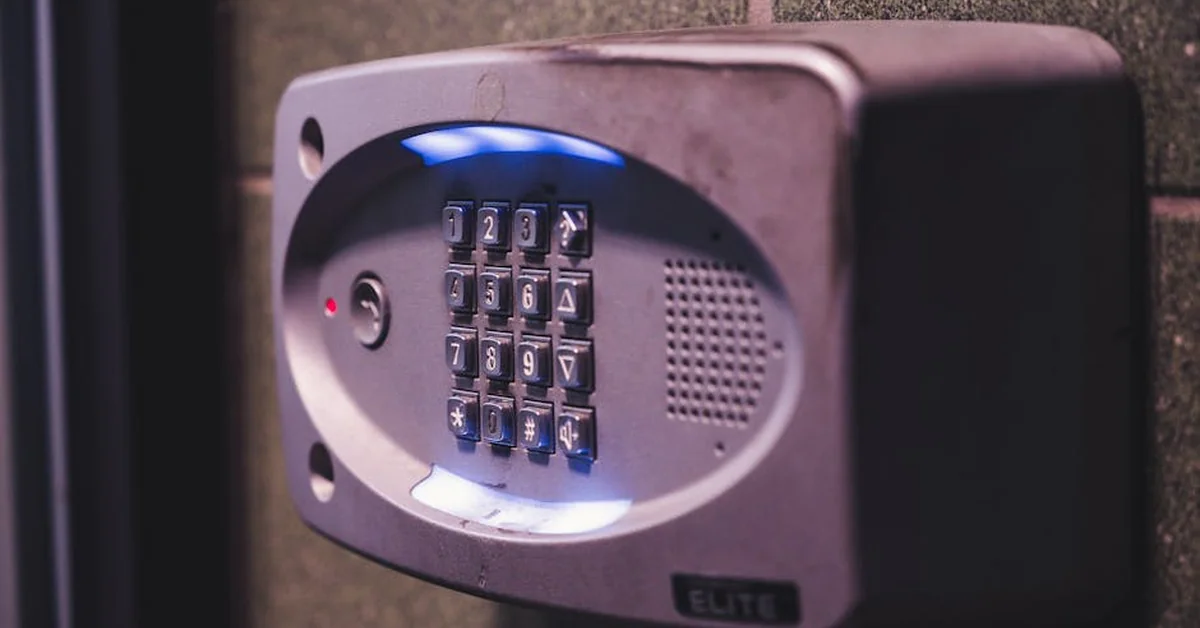
A Step-by-Step Playbook That Prevents Repeat Failures
The most effective keypad repairs follow a clear diagnostic order. Skipping steps often leads to misdiagnosis and unnecessary part replacement. We start with power verification, move to programming confirmation, and finish with signal testing. A thorough keypad troubleshooting checklist includes:
- Battery test: Replace with fresh alkaline batteries (typically 9V or AA depending on model). We avoid mixing old and new batteries because uneven voltage can cause erratic signals.
- Terminal inspection: Look for white or green corrosion. Clean with a non-residue electrical contact cleaner.
- Reprogramming: Press the opener’s learn button (usually under the light cover), enter a new 4-digit code, and confirm the motor unit light flashes.
- Range test: Stand within 5 – 10 feet to rule out RF interference from LED bulbs or nearby electronics.
- Weather seal check: Inspect the rubber gasket behind the keypad to prevent moisture intrusion.
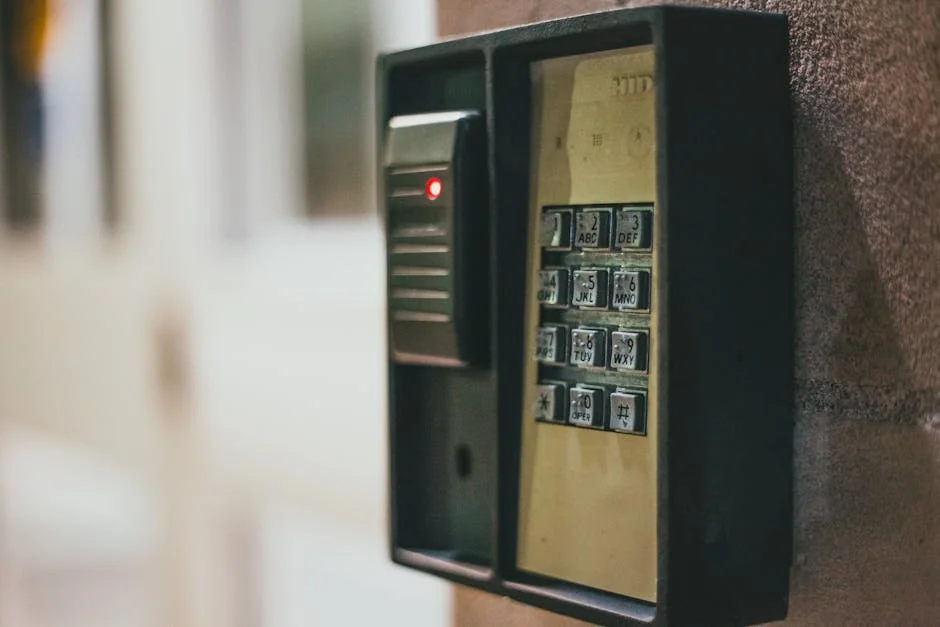
What Homeowners Often Overlook When a Keypad Stops Working
Most keypad problems are resolved within 30 to 60 minutes when diagnosed correctly. Delays usually happen because homeowners replace parts before confirming the cause. Common mistakes we see include:
- Assuming the opener is broken when only the keypad lost programming
- Using rechargeable batteries, which may not supply stable voltage
- Mounting the keypad in direct rain exposure without proper sealing
- Pressing the learn button repeatedly, which can erase all remotes
Get Your Keypad Working Reliably Again
A malfunctioning keypad doesn’t have to mean replacing your entire garage door system. We diagnose the exact cause, whether it’s battery corrosion, programming loss, RF interference, or a failing receiver board. Our team focuses on restoring secure, consistent access without upselling unnecessary parts. If your keypad is unresponsive, inconsistent, or forcing you to rely solely on remotes, scheduling a quick evaluation can prevent bigger repair costs later. We’ll test the opener, verify safety compliance, and make sure your access system works the way it should – every time you enter your code. Reach out to schedule a convenient inspection in Frisco and get your garage door keypad functioning properly again.
Frequently Asked Questions
Why did my garage door keypad suddenly stop working in Frisco?
Sudden keypad failure usually traces back to battery depletion, heat-related damage, or lost programming. In Frisco, summer temperatures inside garages can exceed 120°F, which accelerates battery drain and can warp internal plastic components. If your keypad has a dim display or requires multiple attempts to respond, start by replacing batteries with fresh alkaline units. Another common cause is accidental memory erasure. Power outages or pressing the opener’s learn button too long can clear stored codes. Reprogramming the keypad often restores operation. If the keypad lights up but the door does not move, test a handheld remote. If remotes fail too, the issue may involve the opener’s receiver board rather than the keypad itself. A systematic check prevents unnecessary replacements and ensures you correct the actual source of the problem.
How do I reprogram my garage door keypad correctly?
Most modern openers follow a similar process. First, locate the “Learn” button on the motor unit, typically under the light cover. Press and release it – do not hold it down. You usually have about 30 seconds to enter a new four-digit code on the keypad and press Enter. The opener light should flash to confirm successful programming. If nothing happens, stand closer to the opener to eliminate range interference. LED light bulbs sometimes disrupt radio frequencies; temporarily switching to a standard bulb can help diagnose that issue. Also confirm the keypad model is compatible with your opener brand and frequency range. Universal keypads often require selecting the correct brand setting before programming. Following manufacturer instructions precisely prevents accidental deletion of remotes or incomplete pairing.
How much does it cost to fix or replace a garage door keypad?
Costs vary depending on whether the issue is minor or involves additional components. A simple battery replacement or reprogramming visit may typically start around $95 to $150. Replacing the keypad unit itself might range from $45 to $120 for the part, plus labor. If testing reveals a faulty receiver or logic board, repairs could range from $150 to $350 or more. Three main factors influence final pricing:
- Site complexity and accessibility
- Material costs and compatibility requirements
- Total scope of work, including remote reprogramming or opener repairs
Can I fix a garage door keypad myself, or should I call a professional?
Homeowners can often handle battery replacement and basic reprogramming if they follow manufacturer instructions carefully. Using fresh alkaline batteries, cleaning contacts, and resetting the code are safe first steps. Professional help becomes necessary when multiple access devices fail, the opener doesn’t respond to the learn button, or you suspect receiver board damage. Electrical diagnostics may require a multimeter to verify voltage output and signal transmission. Additionally, if you accidentally erase all remotes, reprogramming the full system correctly prevents future lockouts. If troubleshooting attempts create inconsistent behavior or security concerns, scheduling service ensures the entire opener system – including safety sensors – remains compliant and fully functional.
What are the warning signs my keypad needs maintenance or replacement?
Pay attention to delayed response, fading backlights, or the need to press buttons repeatedly. These symptoms often indicate low voltage or worn internal contacts. Cracked rubber keypads allow moisture intrusion, which can corrode circuit boards over time. Routine maintenance involves:
- Replacing batteries annually
- Inspecting the weather gasket behind the keypad
- Cleaning dirt buildup from buttons
Are keypad issues more common in Frisco homes?
Yes, climate plays a significant role. Frisco’s heat and humidity fluctuations can shorten battery life and degrade exterior-mounted electronics. West-facing garages experience prolonged sun exposure, which raises surface temperatures and stresses plastic housings. Newer construction homes with energy-efficient LED lighting sometimes experience RF interference affecting keypad range. If your keypad works only when standing very close, interference may be the cause. Replacing certain bulbs or relocating electronic devices can improve signal reliability. We also see dust accumulation from ongoing neighborhood construction affecting button responsiveness. Routine inspection and sealing adjustments help prevent debris intrusion and extend keypad lifespan.
What should I look for when hiring someone to fix my garage door keypad?
Choose a company familiar with residential opener systems and current safety standards such as UL 325. Technicians should test both the keypad and the opener’s receiver to confirm the true source of failure. Proper insurance coverage and clear service estimates are also essential. Ask whether the technician will:
- Verify compatibility before installing a new keypad
- Test remotes and wall controls after reprogramming
- Inspect safety sensors and entrapment protection features
Is a non-working keypad an emergency situation?
A keypad failure is rarely an emergency unless it prevents secure closure of the garage door. If your remotes and wall control still operate correctly, you can continue using them temporarily. Avoid forcing the door manually if the opener is engaged, as that can strain internal gears. If all access methods fail, check the manual release cord to disengage the opener safely. After regaining entry, inspect batteries and attempt reprogramming. Schedule professional service if the opener shows no response or if the door behaves unpredictably. Prompt attention prevents security vulnerabilities and reduces the risk of damaging the opener’s internal components. Addressing the issue early typically keeps repairs straightforward and affordable.